Some signs are physical, while others are emotional or behavioral. Mindfulness practices such as meditation can help with stress too. They won’t get rid of it, but they can make it easier to live with. This distance might be physical, such as leaving an upsetting situation. But you can also create some mental distance by distracting yourself. There’s much to be said for the power of a deep breath, whether you’re ridiculously happy or so angry you can’t speak.
Tips to help with stress
Once patients learn how to recognize these beliefs and behaviors, they can also learn how to challenge them, resulting in more favorable emotional and behavioral outcomes. One of the most popular and widely accepted theories is the transactional model of stress and coping, developed by Richard Lazarus and Susan Folkman (1984). Stress can be sneaky, showing up physically in ways you might not expect.
Follow us on social media
We need the body’s stress (“fight or flight”) response to get us through tough times. When danger subsides, your body goes back to normal operations. • Deep breathing practices can help manage immediate feelings of anxiety by slowing your heart rate and bringing calm.
Holiday stress setting in? 6 simple ways to manage stress and enjoy the season
Aromatherapy practitioners and supporters often report benefits of the practice. Discover eight breathing techniques for anxiety management. Unhelpful thoughts can take root in your mind and distort your assessment of a situation. This could involve negative self-talk and cognitive distortions. When the stress response is constantly activated, anxiety may go from an occasional symptom to a chronic condition.
When to talk to someone else
However, when they are furious, getting a drink of water won’t help. They need to do something different at that point, like take a break. When kids are angry, alcoholism there are usually other feelings that they are experiencing too.
Therapists, counselors, and psychologists can provide talk therapy and teach you effective stress management techniques.
While it’s important to stay informed of the latest news and developments, the evolving nature of the news can get overwhelming.
Are there any stress coping methods you would recommend personally or that you have found highly effective in your practice?
Talk to the school, teachers and coaches to help support your child during a difficult time.
Focus on one manageable step at a time, rather than taking on everything at once.
Non-urgent advice: Talk to a GP or mental health professional if:
These include a longer life, lower levels of depression, greater resistance to the common cold and cardiovascular disease, and better coping skills for when hard times hit. Stressful situations in life are unavoidable, and it is common to feel stressed at times. The protective qualities of social support were recognized in the social support theory, another theory about coping with stress (Cohen & Wills, 1985).
They should be able to give you advice about treatment and may refer you to another local professional. Cognitive Behavioural Therapy (CBT) and mindfulness-based approaches are known to help reduce stress. Additionally, there are voluntary organisations which can help you tackle the causes of stress and advise you about ways to get better. Stress is a natural, human response to situations that feel difficult to manage or out of our control. It might be a feeling of pressure in response to a heavy workload, or overwhelm after an argument with a loved one. It could also be the thoughts that keep you awake at night when worrying about money.
Putting yourself second can lead to stress, anger, resentment and even the wish to take revenge. Sign up for free and stay up to date on research advancements, health tips, current health topics, and expertise on managing health. Stress can be caused by one big issue or a build-up of many small ones. However, not understanding the causes of your stress can make it harder for you to manage as you could feel overwhelmed. Stress is like carrying a heavy backpack; at first, we don’t notice its burden and keep pushing forward. But, over time, as more items are added to the bag – such as responsibilities and worries – the load becomes heavier and increasingly difficult to manage.
Stress is the body’s reaction to feeling threatened or under pressure.
Try to find a balance between work and family life, social activities and solitary pursuits, daily responsibilities and downtime.
Stress is a natural, human response to situations that feel difficult to manage or out of our control.
The people who care about you will be flattered by your trust. Expressing what you’re going through can be very cathartic, even if there’s nothing you can do to alter the stressful situation. Talk to a trusted friend or make an appointment with a therapist. You can adapt to stressful situations and regain your sense of control by changing your expectations and attitude. If you can’t avoid a stressful situation, try to alter it.
In some countries, the responsibility falls on parents and guardians to decide when it is appropriate for their children to consume alcohol. However, the absence of a legal drinking age in other countries is simply due to a lack of enforceable regulations. For example, in some African countries, there are no specific laws regarding the legal drinking age, or the laws are not strictly enforced. This means that individuals 18 years of age and older are legally allowed to drink alcoholic beverages in public. It is illegal for anyone under the age of 18 to consume alcohol in China. The drinking age in Russia is 16, but the minimum age for purchasing alcohol is 18.
Con 3: Alcohol consumption should be based on age of license (legality), rather than age of majority (adulthood).
In many places of the world, you cannot buy alcohol for people under the minimum drinking age of that location. Usually, the only exception is for a parent or guardian buying for their own child. However, not all Australian locations require a parent or guardian present when a minor receives alcohol. Permission must always be obtained by the parent or guardian, however.
A strict penalty will be implemented for parents who refuse to obey this law. Meanwhile, at the same time, people who run establishments where alcohol is readily available cannot serve their products to anyone below 18. Yes, there have been proposals to raise the legal drinking age from 18 to 21 to combat rising alcohol-related deaths. Historically, alcohol has been a significant source of revenue for the Russian government, dating back to the 1540s when Ivan the Terrible set up taverns in his major cities. By 1859, vodka was the source of more than 40% of the government’s revenue. Beer has soared in popularity in Russia, being marketed as a healthier alternative to spirits.
The legal drinking age in Russia is 18, but there are exceptions
The youngest legal drinking age in the world is 15, with both Mali and the Central African Republic allowing folks to drink at that time.
No person shall supply alcohol to anyone under the age of 18 (Art 91).
According to the report, more than 50% of people in the Americas, Europe, and the Western Pacific Region (Japan, Australia, Oceania) drank alcoholic beverages in 2016.
However, the overall alcohol consumption rate (technically referred to as “alcoholism”) measures lower than some other European nations and the United States.
So if you’re planning on drinking in China, make sure you have a safe way to get home.
This means grocery stores cannot offer percentages or monetary units (euros) off bulk alcohol purchases. Pubs could also lose their alcohol licenses, and owners maybe could end up in jail if they serve to minors. On February 18, 2020, the German Government stated that they will not raise the drinking age to 18. Instead, the government responded to the Green Party’s concerns by advocating responsible alcohol use, which they believe is working.
Australia abides by the ABAC Responsible Alcohol Marketing Code. These regulations govern where vendors can market alcoholic products. These codes also control the content shown on radio and TV or in print or on outdoor signs featuring advertisement.
The Russian government has also implemented other whats the legal drinking age in russia measures to combat alcohol abuse, such as raising taxes on alcoholic beverages, introducing a minimum unit price policy, and restricting advertising. These measures have been successful in reducing alcohol consumption and improving health outcomes in the country. These policies have resulted in a significant decrease in alcohol consumption, with wine and beer overtaking spirits as the main sources of beverage alcohol. Russia has a prominent drinking culture, with alcohol consumption in the country remaining among the highest in the world.
International Minimum Ages for Sales of Alcohol
The legal drinking age in the territory of Puerto Rico is 18 (though you must be 21 to enter some bars and clubs.) It’s also 18 for the US Virgin Islands. One of the biggest tourism magnets of the 21st century, the UAE is a federation of seven emirates on the Arabian Peninsula. Each one has its own way of doing things – that includes age limits on drinking. According to the Australian government’s Smart Traveller website, “The legal drinking age in Abu Dhabi is 18 years.
In comparison to other items, alcohol is relatively affordable and this makes it more accessible to people from all walks of life. So if you are under 18, you can drink in Ireland, but you just can’t buy alcohol. This means that you can’t go to a bar or a liquor store and buy alcohol. Yes, you can buy alcohol online in Russia, but it’s important to purchase from a reputable seller. It’s also worth noting that alcohol delivery is restricted between the hours of 11 p.m. It’s also important to pace yourself and drink plenty of water to avoid overindulging.
Italy, France and other European nations have high rates of alcohol consumption among the youth. They grew up with it, and for some reason, they feel compelled to overindulge more than adults. Researchers and public institutions continue to advocate less drinking among teenagers and children. It’s not uncommon for European nations to serve alcohol to a child as young as five years old. However, the drinking age in the UK is 18, which is when young people can legally drink or buy alcohol in public. Apparently, studies concerning MLDAs demonstrated crash reductions and less alcohol consumption related to raised MLDAs.
Alcoholic beverages available in vending machines pose a challenge with controlling underage drinking. The country doesn’t take drinking and driving lightly, however, whether you are underage or not. Japan has the second-highest drinking age in the world compared to most locations where the minimum age is 21 In Japan, you must be at least 20 years old to purchase and consume alcohol. You can use your passport for your ID at local establishments such as bars or restaurants. The Minimum Drinking Age in France is 18 for purchases and consumption of all alcoholic beverages.
This law was put in place to help children learn to drink responsibly and to develop a taste for alcohol at a young age. During the year when most people were expected to stay home worldwide because of the Covid-19 quarantines, alcohol use still declined. Beer consumption dropped by more than 5 percent, wine sales declined by more than 2 percent, and spirit sales decreased by almost one percent. Children 16 and 17 years old can receive wine from a parent, but they cannot buy it themselves at a restaurant. In this case, the permission applies to drinking while a meal is served, which usually is how alcohol is consumed when families drink together.
The key is intervening early, offering comprehensive support, and maintaining hope even when situations seem hopeless. Every family deserves the opportunity to live free from violence and the devastation of substance abuse. Substance abuse often leads to increased stress and frustration due to the problems it creates in a person’s life—such as financial difficulties, legal issues, or relationship problems. These stressors can contribute to a person’s inability to cope with challenges in a healthy manner, potentially leading to explosive outbursts and violent behavior. Substances like alcohol and certain drugs can impair judgment and lower inhibitions, leading to increased aggression.
Breaks down communication
Integrated programs will address both issues through therapy, trauma-informed care, and support groups. Substance use treatment may include detox, medication-assisted treatment, rehab programs, and peer support such as Alcoholics Anonymous (AA). The link between domestic violence and substance abuse is something that cannot be ignored. There is also evidence that victims of domestic violence are at an increased risk for substance abuse.
The Cycle of Addiction
Verbal or nonverbal abuse of a spouse or intimate partner consists of more subtle actions or behaviors than physical abuse. While physical abuse might seem worse, the scars of verbal and emotional abuse are deep. Studies show that verbal or nonverbal abuse can be much more emotionally damaging than physical abuse. The victim of domestic abuse or domestic violence may be a man or a woman. Domestic abuse occurs in traditional heterosexual marriages, as well as in same-sex partnerships.
The benefits of equine therapy in addiction recovery
When a person is referred to a substance abuse treatment provider, a counselor will use assessment techniques to characterize the problem and to develop a treatment plan. The Illinois Alcohol and Other Drug Abuse Professional Certification Association (IAODAPCA) evaluates counselor competency and grants recognition to those counselors who meet specified minimum standards. All treatment programs licensed by the Department of Human Services must have credentialed staff.
By understanding the signs and symptoms of both substance abuse and domestic violence, individuals can take the first step towards seeking assistance and support.
This cycle can also trap victims, as some turn to drugs or alcohol to cope with their reality, while abusers use their addiction as a reason to continue their behavior.
It further supports communities in the coordination among local, state, Tribal, and federal systems.
Recognizing the warning signs of this escalation can prevent these situations from worsening.
The Reach of Domestic Violence
This neglect can manifest in various ways, such as failing to provide emotional support, ignoring household duties, or neglecting the needs of children. Of course, this lack of responsibility can create a hostile and unstable environment at home. Research highlights that many individuals with post-traumatic stress disorder (PTSD) simultaneously face challenges with substance use disorders.
Likewise, they may need to examine the roots of their drug-seeking behavior and eliminate triggers that may cause unhealthy behaviors. Only by finding the right treatment program will they be able to escape the vicious cycle of addiction and domestic violence and begin having healthy relationships and lives. By prioritizing both individual and relational well-being, these programs help couples forge a path towards a brighter, healthier future together. The correlation between substance abuse and domestic violence underscores the need for specialized support from professionals who are trained to address these interconnected issues. Identifying domestic violence can be challenging, as it may not always present itself in obvious ways.
To learn more about the relationship between the two, continue reading or call us today for help.
Alcohol and domestic violence are closely connected, with studies showing that nearly 60% of domestic abuse cases involve alcohol consumption.
If you suspect you are a victim of domestic violence, please seek help right away.
By prioritizing both individual and relational well-being, these programs help couples forge a path towards a brighter, healthier future together.
To understand the relationship between substance abuse and domestic violence, it’s important to study the root causes of this specific type of aggression. Domestic violence and substance abuse often go hand in hand, with devastating effects on mental health. Survivors may struggle with feelings of shame, fear, and self-doubt, Twelve-step program which can hinder their ability to seek help.
Which drug is most associated with violent behavior?
Perhaps the most famous example is Alcoholics Anonymous’ 12-step program. It integrates faith in God as a key component of successful addiction rehab. Centers of higher educations are developing a stronger role in prevention as well, training students to intervene on behalf of one another and assist victims.
Before you know it, another incident happens, followed by more apologies, and the cycle starts all over again. When someone’s under the influence, their inhibitions drop, making them more likely to act on impulses they’d usually hold back — like aggression or even violence. It’s as if the part of the brain that says, “Wait, maybe don’t do that,” gets shut off. It’s exhausting, and the constant chaos keeps you from ever feeling substance abuse and domestic violence secure in the relationship.
Meanwhile, all those suppressed emotions flood forward with nothing to contain them. Anger that might have been expressed through words instead erupts as physical violence. Guilt and shame, rather than being processed healthily, get redirected outward as aggression toward others. Jealousies and insecurities that would normally be managed rationally transform into accusations and attacks.
Ironically, some of the first things you might notice are similar to what happens to your body when you’re drinking. And, emotionally, alcohol can make you not only more anxious, but more irritable, more impulsive and less inhibited — not just after a drink, but compounded over time, says Dr. Mosquera. For women, it can increase the risk of breast cancer, impair bone health, and lead to mood changes. According to The National Institute for Health, light drinking is defined as seven drinks per week for women, with no more than three in one day, and no more than 14 drinks per week for men, with no more than four in one day. A phrase that may help guide your decisions for many aspects of life, including alcohol consumption, is to ‘do all things in moderation,’” she adds.
Welcome to Drug Rehab Featured by Addiction Resource Team
More than 5% of the global disease burden was caused by the harmful use of alcohol. The World Health Organization calculated that more than 3 million people, mostly men, died as a result of harmful use of alcohol in 2016. According to WHO “Lexicon of alcohol and drug terms”, sobriety is continued abstinence from psychoactive drug use.
Alcoholic liver disease is a spectrum of disease that includes steatosis, where an excess of fat builds up in the liver, and alcoholic hepatitis, where liver cells are chronically inflamed.
Long-term alcohol misuse can weaken your immune system, making you more vulnerable to serious infections.
These changes can be harder to recognize since they often develop gradually over the years, and include increased risk of various diseases and cancers.
Binge drinking is a dangerous practice that can cause physical harm.
In 2010, a systematic review reported that moderate consumption of alcohol does not cause harm to people with cardiovascular disease.
The details are kept up to date to help people with addiction treatment needs get the most full and precise facts about the rehabilitation facility. In addition to risking serious injury, the above consequences may also be deadly. You can experience a negative impact on your breath rate, heart rate, and gag reflex. If you feel you can’t limit yourself despite this information, then you need to rethink your relationship with alcohol.
These effects may be more serious and more noticeable if you drink regularly and tend to have more than 1 or 2 drinks when you do. Alcohol poisoning occurs when the body has consumed more alcohol in a short period of time than it can process. Drinking too much over time can cause chronic physical and mental health issues. Research also shows that heavy drinking by men may lower testosterone levels and affect the making of sperm. For example, some studies suggest that moderate alcohol drinking can affect fertility for some women.
For more information about alcohol and brain health, please visit the Alcohol and the Brain topic page.
Intoxication does have real physiological effects, such as altering a drinker’s perception of space and time, reducing psychomotor skills, and disrupting equilibrium. In the 1930s, this came to also incorporate education pertaining to alcohol’s effects on health. Those affected are more likely to have trouble in school, legal problems, participate in high-risk behaviors, and develop substance use disorders like excessive drinking themselves. In addition, damage to the central nervous system and peripheral nervous system (e.g., painful peripheral neuropathy) can occur from chronic alcohol misuse. Using alcohol, especially together with tobacco, is a major risk factor for head and neck cancer.
In most people, the body will quickly restore electrolyte balance once the effects of alcohol subside.
Prenatal alcohol exposure can cause brain damage, leading to a range of developmental, cognitive, and behavioral problems, which can appear at any time during childhood.
This is 2 standard drinks or less in a day for males and 1 drink or less in a day for females, on days when alcohol is consumed.
More information about alcohol’s effects on the brain is available on NIAAA’s topic page on Alcohol and The Brain.
If you drink heavily for a long time, alcohol can affect how your brain looks and works.
The US National Institutes of Health similarly estimates that 3.3 million deaths (5.9% of all deaths) were believed to be due to alcohol each year.
Drinking can damage the tissues in your digestive tract, preventing your intestines from digesting food and absorbing nutrients and vitamins properly.
What Is a Safe Amount To Drink?
Alcohol use during pregnancy can increase the risk of miscarriage, stillbirth, and a host of intellectual, physical, and behavioral disabilities, the latter of which are categorized as fetal alcohol spectrum disorders (FASDs). No amount or type of alcohol is considered safe to consume at any time during pregnancy.23 In fact, use of alcohol during pregnancy is a leading preventable cause of developmental disabilities and birth defects. This can occur when your body is overwhelmed by the amount of alcohol you drank and is no longer able to effectively process it from your system. Excessive alcohol use on a single occasion can also put you at risk of alcohol poisoning.
That number increased to four or five years shorter for people who had 18 drinks or more per week. It may take several months of complete abstinence from alcohol to give your brain time to heal. Damaged regions of the brain can start to “light up” on brain scans after you cut back on drinking, but there are limits. If you’re experiencing the effects of alcohol, please call a doctor immediately to seek medical attention.
Your body can’t make the numbers of white blood cells it needs to fight germs. You might not link a cold to a night of drinking, but there might be a connection. The heat from that extra blood passes right out of your body, causing your temperature to drop. Over time, it causes heart muscles to droop and stretch, like an old rubber band. And alcohol can wear your heart out. As they die off, the liver gets scars and stops working as well, a disease called cirrhosis.
Although a person may not be abusing alcohol regularly, they can still experience its short-term effects on the mind and body. Over time, heavy drinking makes the organ fatty and lets thicker, fibrous tissue build up. When you drink heavily for years, that extra workload and the toxic effects of alcohol can wear your kidneys down. If you drink heavily for a long time, alcohol can affect how your brain looks and works. Cessation can lead to a marked reduction in anxiety symptoms, including the common post-drinking anxiety often termed hangxiety, and contribute to a more stable and positive overall emotional state, with fewer pronounced mood swings.
However, people who have low tolerance levels—first-time drinkers or those with a specific genetic makeup—may be affected after having only one drink. Any part of the body that doesn’t receive enough blood can sustain damage due to insufficient nutrients or oxygen. In the heart, excessive drinking can disrupt the electrical signaling system that makes the organ function. The liver carries responsibility for breaking alcohol down and eliminating its byproducts from the bloodstream as rapidly as possible. Every year, millions of people in the U.S. experience diagnosable symptoms of alcoholism.
Risks of heavy alcohol use
Before you reach for your next drink, Dr. Anand explains how alcohol can affect your brain — not only in Alprazolam injection the short term, but also in the long run. Talk to a healthcare provider if you have concerns about your alcohol consumption or a history of addiction or dependence. Some people can safely stay within this recommendation for low-risk drinking.
Excessive drinking also commonly causes vision changes, such as blurred vision, double vision, or difficulty focusing. Your liver breaks down alcohol and converts it into a toxin and known carcinogen called acetaldehyde. Alcohol’s impact on neurotransmitters like serotonin and GABA can also contribute to mood changes the day after drinking. While alcohol can initially boost your mood, these effects are temporary and wear off quickly. By promoting the release of these feel-good neurotransmitters, alcohol temporarily amplifies feelings of joy and lightheartedness.
A huge risk factor for people who develop alcohol use disorder is early-onset drinking. Underage drinking increases the risk of how does flakka affect your brain anxiety, depression, and low self-esteem, which can affect the brain long-term. The effects of heavy drinking on the brain can range from mild to severe.
Memory blackouts are also a side effect of binge drinking and heavy drinking, which can put an individual’s safety at risk. Another long-term consequence of unhealthy alcohol use is a chronic irritation of the delicate lining of the gastrointestinal tract. Alcoholic liver disease is a spectrum of disease that includes steatosis, where an excess of fat builds up in the liver, and alcoholic hepatitis, where liver cells are chronically inflamed. Heavy drinking can affect the liver, which is our body’s natural detoxifying organ. Up to 16% of all individuals with consistent medical high blood pressure, also known as hypertension, are diagnosed due to heavy drinking.
Long-Term Effects of Alcohol on the Body
Ethanol is classified as a Group 1 carcinogen by the International Agency for Research on Cancer, meaning it is a known cause of cancer in humans. This, in turn, contributes to increased daytime energy levels, improved concentration, and better overall physical and mental alertness. While alcohol can act as a sedative and induce drowsiness, it disrupts the natural sleep architecture, particularly the later stages of REM sleep, which are crucial for cognitive function and emotional regulation. One of the earliest and the twelve steps alcoholics anonymous most significant physiological benefits reported after quitting alcohol is a marked improvement in sleep quality.
“Generally, over time, there have been new studies that show that chronic alcohol use — at very heavy use — can lead to brain damage, both gray and white matter. High alcohol consumption can damage your brain and the rest of your body. These negative health effects impact major organs in the body, including the heart, brain, liver, and pancreas.
However, understanding the factors that can influence the development of alcoholism can help individuals and their loved ones take steps to prevent or manage the condition. The development of alcoholism is influenced by a complex interplay of genetic, environmental, and behavioral factors. Seeking treatment for alcohol use disorder as early as possible can help prevent these changes from becoming more severe and can improve the chances of successful recovery.
How Alcoholism Affects the Brain
Our neuro-rehabilitative treatments can speed the recovery process, by helping to restore brain health for minds ravaged by alcohol. Doctors thinks irreversible brain damage may be linked to how long someone drinks, how much someone drinks, and their overall health as an alcoholic. Withdrawal symptoms vary depending on how much, how often, and how long alcohol was consumed, but medically supervised detox may be advised.20 In rare cases, alcohol withdrawal can present heightened risks and even lead to death.19 Therefore, it’s best to seek advice from a primary care physician or addiction treatment specialist.
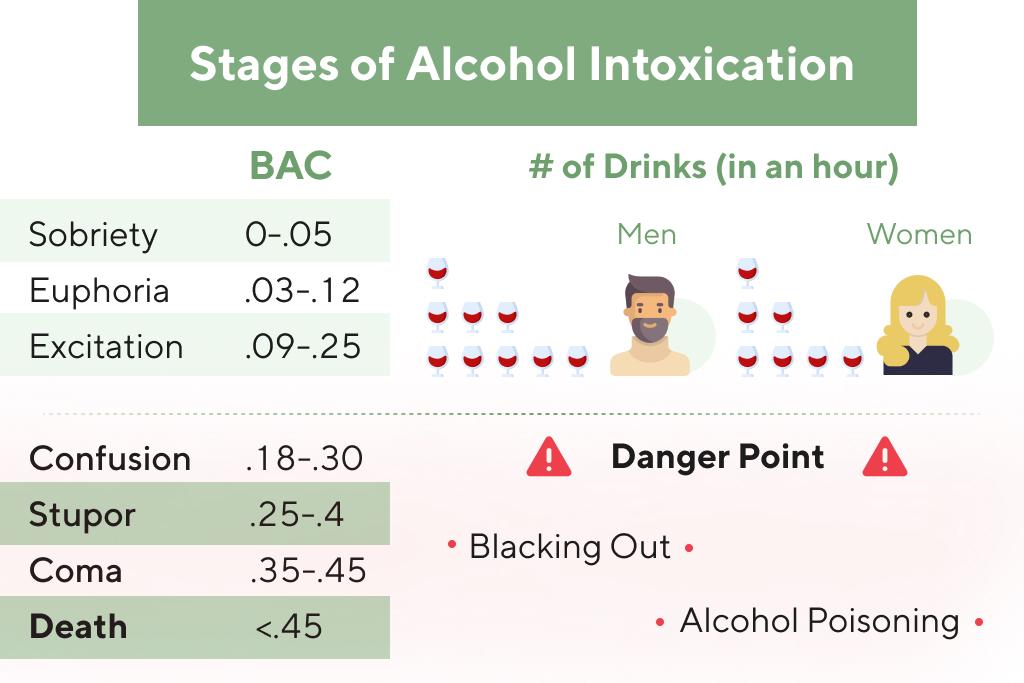
Symptoms of alcohol poisoning include vomiting, seizures, slow or irregular breathing, hypothermia and unconsciousness. In extreme cases, intoxication can lead to alcohol poisoning, which can be life-threatening. Alcohol intoxication affects your brain, behavior and bodily functions.
For Loved Ones
Professional evaluation and diagnosis are crucial for developing an effective treatment strategy.
How do you know if you are an alcoholic?
Treatment includes programs such as alcohol rehab, intensive outpatient programs (IOPs), dual diagnosis treatment, and medication-assisted treatment (MAT).
In extreme cases, intoxication can lead to alcohol poisoning, which can be life-threatening.
For example, a drinker can become confident and less anxious after an initial drink.
Because of the risks, medical supervision is often recommended for people withdrawing from significant alcohol dependence.
Casual drinking is having a few drinks with friends, having a glass of wine with dinner, or enjoying one glass of champagne. People with an alcohol use disorder continue to use alcohol despite its many negative effects. For them, drinking is a priority and they tend to neglect all their other obligations such as family and work.
Whether you’re seeking answers, support or treatment, we’re ready to walk with you. With the right support, you can rebuild your health, restore your confidence, and rediscover your sense of purpose. While this is an isolating and frightening place to be, please know that recovery is still possible. Health problems emerge, relationships suffer and your attempts to quit may trigger serious withdrawal symptoms. This is the most severe stage, where alcohol essentially dominates your life. At this point, alcohol begins to interfere with your daily life.
Over time, alcohol becomes your go-to tool for managing emotions. Spotting those stages early can help you take action and begin making changes for a healthier path forward. Many people wrestle with quiet concerns—feeling anxious, guilty or unsure of what’s normal.
One of the common ways people with AUD seek treatment is through facilities dedicated to treating addictions. However, the signs and symptoms of alcohol use disorder can present themselves in other ways. Someone who consistently drinks high levels of alcohol then suddenly stops or dramatically decreases their alcohol consumption in a short period of time may experience any number of withdrawal symptoms. Hydroxyzine guide Some people have lost control over their drinking altogether and have a drink because they cannot control when and how much they drink. Often referred to as a “high-functioning alcoholic,” someone who still manages to get up and go to work each day after frequent alcohol consumption may still be diagnosed with alcohol use disorder. Unfortunately, since the effects are no longer as strong as desired, a person with alcohol use disorder may increase the amounts they consume in order to achieve the desired feelings from alcohol.
Also referred to as social drinking, casual drinkers drink alcohol no more than once a week or a few times per month. When the most important people in a person’s life have been relegated to the sidelines in favor of alcohol, it is a clear sign of alcoholism. Drunk driving, drinking before or while at work, or drinking against doctor’s orders are clear indications of alcoholism. Vivitrol and Revia can what are the effects of dmt on the body help people drink less alcohol even if they don’t want to stop drinking entirely.
All these medications are nonaddictive, and they may be used alone or combined with behavioral treatments or mutual-support groups. Treatment can be outpatient and/or inpatient and be provided by specialty programs, therapists, and health care providers. Several evidence-based treatment approaches are available for AUD. The more symptoms, the more urgent the need for change. Considered a brain disorder, AUD can be mild, moderate, or severe.
This need for control can stem from a young age, as children of alcoholic parents may take on responsibilities beyond their years, such as paying bills or caring for siblings.
Medications like naltrexone or acamprosate can help reduce cravings and manage withdrawal symptoms.
Understanding these risk factors can help you make informed choices and seek support early, before things escalate.
Inpatient rates, or the number of children admitted to the hospital, are some triple that compared to children without an alcoholic parents.
The Big Book of Alcoholics Anonymous refers to the “insanity of alcoholism” as the way alcoholics justify their alcoholism.
They may also become attracted to alcoholics or other compulsive personalities, neglecting their own needs to care for others.
We like this list of some of the genetic factors that may influence alcoholism.
What Are the Types of Treatment for Alcohol Use Disorder?
When her husband brings up the fact that she wouldn’t have suffered a concussion and black eye if she weren’t an alcoholic, Mary screams that it is his fault she was almost killed. She started drinking after her second child died at birth. Once addicted to alcohol, they cannot avoid unbearable withdrawal symptoms when they can’t stay drunk. Denying alcoholism is a powerfully effective, self-preservation mechanism. And, admitting their alcoholism means going to detox, “drying out,” and confronting emotions they do not want to deal with. Admitting they are an alcoholic means admitting all the terrible things they have done to loved ones as an alcoholic.
#1: Losing Control of Alcoholic Use
Unhealthy alcohol use includes any alcohol use that puts your health or safety at risk or causes other alcohol-related problems. This disorder also involves having to drink more to get the same effect or having withdrawal symptoms when you rapidly decrease or stop drinking. Our state-specific resource guides offer a comprehensive overview of drug and alcohol addiction treatment options available in your area. Such quizzes typically ask about your drinking habits, emotional state, cravings and social or physical consequences. A health professional can help tailor a plan that aligns with your specific needs, including addressing any co-occurring mental health disorders.
Children of alcoholics may develop mental health issues
Many people with alcohol use disorder hesitate to get treatment because they don’t recognize that they have a problem. If your pattern of drinking results in repeated significant distress and problems functioning in your daily life, you likely have alcohol use disorder. Binge drinking causes significant health and safety risks. Alcohol use disorder includes a level of drinking that’s sometimes called alcoholism. Overcoming alcohol use disorder is possible through various treatment options that address the multiple dimensions of addiction.
And when you’re ready, learn about alcohol detox or othertreatment programsor get started withonline rehab. Get the facts aboutalcohol addiction here. Discovering you aren’t just a casual drinker and are facing an alcohol problem can be shocking. With the right combination of professional guidance, peer support and personal determination, it is entirely possible to break free from the cycle of alcohol misuse and reclaim a fulfilling, sober life. However, recognizing the problem and taking that initial step to evaluate your drinking is a powerful act of self-awareness. Your path to a healthier relationship with alcohol—up to and including complete sobriety—may involve some trial and error.
Rather, it refers to how the person’s thoughts and behaviors become focused on obtaining, consuming, and recovering from alcohol use even to the exclusion of important responsibilities.7 Experiencing tolerance and dependence can be signs of an alcohol use disorder, which is a medical condition characterized by an impaired ability to stop or control alcohol use despite adverse consequences.3,5,6 Dependence occurs when the body becomes so used to having alcohol present that without it, potentially dangerous withdrawal symptoms—including anxiety, confusion, shakes or tremors, racing heart, nausea, vomiting, and/or sleeplessness.4,5 A physician may diagnose a person with a mild AUD if they meet 2-3 of the 11 criteria (or signs and symptoms) within a 12-month period, 4-5 indicates a moderate AUD, and 6 or more denotes a severe AUD.3 Additionally, 753,0000 adolescents—aged 12-17—had an alcohol use disorder that year.2
Risks and Dangers of Excessive Drinking
Dove Recovery can help ensure that your treatment and recovery occur in a controlled, safe manner. When it comes to your daily responsibilities — going to work, maintaining your home, and putting effort into your social circle — are you finding that alcohol is taking priority? A person may notice their tolerance increasing when they consume the same amount of alcohol as usual but no longer experience the effects with the same level of intensity. Both of these cite an increased tolerance as an indicator of alcohol use disorder.
For males, consuming alcohol in moderation is limited to two drinks or less per day, and for females, it is one drink or less per day. By identifying that someone has alcohol use disorder, we acknowledge that they have a problem/illness and that they are not the problem. Alcohol use disorder (AUD) has specific characteristics and warning signs that you can be aware of to help determine if your drinking is becoming a problem. If you are concerned about your alcohol use and would like to explore whether you might have AUD, please visit the Rethinking Drinking website. Doctors can prescribe medications to address these symptoms and Alcohol Use Disorder make the process safer and less distressing.
The disorder makes a person who has it experience an intense desire for alcohol even when it adversely affects their health. To support mental healthcare by acting as a complete resource for students interested in entering or advancing their education in the counseling and psychology fields. While overcoming alcohol use disorder can be challenging, it is possible with the right support and treatment. This can involve setting limits on the amount and frequency of alcohol consumed, avoiding binge drinking, and avoiding drinking in certain situations or environments. Individuals with alcohol use disorder may also experience withdrawal symptoms such as tremors, sweating, nausea, and seizures. Individuals who are surrounded by heavy drinkers or who live in communities where alcohol use is widely accepted may be more likely to develop alcoholism.
For example, if you drink 7 days a week and 5 drinks a day at $8 a beverage, you’re likely spending around $280 a week, $1,213 a month, and $14,560 a year. The full range of symptoms may persist for as little as a few hours up through several weeks after withdrawal has begun. Alcoholism affects more than 14 million people aged 12 and older across the globe, according to the 2017 National Survey on Drug Use and Health (NSDUH).2 When you combine traditional client engagement strategies with the power of social media and mobile platforms – and maintain your marketing intensity – customer connections seem to form near-effortlessly. These beverage and alcohol businesses are governed by the Federal Alcohol Administration Act (FAA Act) and the Internal Revenue Code (IRC). TTB grants permits to companies desiring to operate alcohol and tobacco businesses above the retail level.
It’s like being a detective, gathering clues from multiple sources to piece together the full picture of a person’s addiction. Furthermore, some communities are targeted more heavily with alcohol and tobacco advertisements and have more availability of drugs of abuse than others, particularly impoverished communities (Primack et al., 2007; Rose et al., 2019). Therefore, the social environment in which one exists contributes to their risk of addiction. While much of the PCC framework was mapped, interviewees also discussed challenges faced by rural populations in general (e.g., transportation 41,42,43, childcare 44) and legislation that inhibits patient-centered care (e.g., OTP restrictions 45, 46). Additionally, drug testing procedures vary throughout the State but are required as part of best practice; however, testing is inconvenient and can often lead to mistrust that wears on the Therapeutic Alliance and can contribute to issues with retention 47, 48. Among the 80% of participants who reported history of prior care at other treatment locations on the demographic screener, appreciation of PCC principles at current care settings were often directly contrasted with the absence of it at past treatment locations.
Advances in addiction research are increasingly being applied to gain deeper knowledge about the impact of drug use on brain structure and functioning, capacity, autonomy, free choice and decision-making, behaviour, treatment, and symptom reduction.
Modern research on addiction has highlighted the importance of genetic, neurobiological, and environmental factors in predisposing individuals to substance use disorders.
Addiction consists of interacting biological and psychosocial mechanisms because the mechanism (e.g., the behaviour) contributing to addiction involves action within a social system.
This concise review focuses the core feature of Engel ” s position as well as the scientific controversy that followed during these forty years.
Putting Theory into Practice: Applications of the Biopsychosocial Model in Addiction Treatment
All study participants received care in Vermont, a state where 94% of the population identifies as White 50. The lack of racial or ethnic diversity among participants precluded exploration of perspectives informed by experience of racial or ethnic discrimination in health care. Additionally, participants may have been more stable and therefore more likely to have had a positive experience in MOUD given their choice to participate in these interviews, and these may not be generalizable to the experiences of MOUD patients more broadly. Future research should explore patient-centered perspectives at different stages of recovery, different durations in treatment, a culturally and linguistically diverse patient population, and include both housed and unhoused patients. The Social Model posits that individuals are more likely to develop addiction when they are exposed to environments that promote substance use or addictive behaviors. This can include exposure to substance-using peers, living in communities with high rates of substance use or easy access to drugs, or experiencing social stressors such as poverty, Sober House Rules: What You Should Know Before Moving In discrimination, or social isolation.
Shared decision-making
For instance, the belief that addiction results from moral weakness may lead individuals to believe that overcoming addiction is solely a matter of willpower, which can be detrimental to their recovery process. In the past, the Moral Model was widely accepted and shaped societal attitudes and responses to addiction. People with addiction were often stigmatized and judged as being morally deficient, leading to punitive measures and marginalization. This model has been influential in shaping the “war on drugs” policies and the criminalization of substance use, which prioritize punishment over treatment and support for individuals with addiction. A client can meet the psychosocial needs previously satisfied by the drug culture in a number of ways.
By focusing solely on the moral aspect, this model fails to consider the numerous biological, psychological, and social factors that contribute to the development and progression of addiction.
This area, known as the prefrontal cortex, is the very region that should help you recognize the harms of using addictive substances.
When we see substance use disorders/addictions in a binary fashion, we are choosing one lens or another, which does not give us a clear picture of the person.
Nine of the 15 participants identified as female, all identified as White, 7 participants reported being employed, and none reported being unhoused.
For example, alcohol may be used to numb feelings of sadness, while compulsive internet use may serve as a distraction from feelings of loneliness or inadequacy.
George Engel designed his biopsychosocial model to be a broad framework for medicine and psychiatry.
Cultural Dimension
Psychological factors in addiction development are a significant piece of the puzzle. They encompass a person’s mental health, emotional state, and thought patterns, all of which can influence their vulnerability to addiction and how they use substances. Addictive substances and activities hijack the brain’s reward system, leading to cravings and withdrawal symptoms. Over time, the brain adapts to the presence of the addictive substance, making it harder to experience pleasure without it. Advances in addiction research are increasingly being applied to gain deeper knowledge about the impact of drug use on brain structure and functioning, capacity, autonomy, free choice and decision-making, behaviour, treatment, and symptom reduction. While research of this kind raises important issues about identity, and notions of health and illness, the outcomes have implications for drug policy, health care systems and delivery, and treatment for substance use problems.
Mental Health Conditions
According to this perspective, individuals who struggle with addiction lack self-discipline and willpower, and their addictive behaviors are seen as a result of poor choices and personal irresponsibility. The Moral Model emphasizes the role of free will and personal agency in the development and maintenance of addiction. To understand what an individual gains from participating in a drug culture, it is important first to examine some of the factors involved in substance use and the development of substance use disorders. Despite having differing theories about the root causes of substance use disorders, most researchers would agree that substance abuse is, to some extent, a learned behavior. Beginning with Becker’s (1953) seminal work, research has shown that many commonly abused substances are not automatically experienced as pleasurable by people who use them for the first time (Fekjaer 1994).
As we wrap up our exploration of the biopsychosocial model of addiction, it’s clear that this approach has revolutionized our understanding and treatment of substance use disorders. By considering the complex interplay of biological, psychological, and social factors, we can develop more effective, personalized interventions. It is important to acknowledge that no single model can fully explain or address all aspects of addiction, as each individual’s experience of addiction is unique and shaped by various biological, psychological, social, and spiritual factors. Therefore, a comprehensive and integrative approach to understanding and treating addiction is essential in order to effectively support individuals on their path to recovery. Understanding the various models of addiction is crucial in order to comprehensively address the complex and multifaceted nature of this disorder.
The logical flaws in Engel’s original concept are explored, and some consequences noted.
However the rapid developments in neuroscience are moving bio-psychiatry away from the mind, and towards actions in the brain.
Brain systems that moderate feeling, memory, cognition, and engage the individual with the world influence the decision to consume or not consume a drug, or participate in a specific behaviour or series of actions.
A BPS model provides a foundation for understanding both the causes of addictive disorders and the best treatments for them.
It’s like a domino effect, with one factor setting off a chain reaction that ripples through all aspects of a person’s life.
It’s like a domino effect, with one factor setting off a chain reaction that ripples through all aspects of a person’s life. The third theme, Support for Other Substance Use Goals had mentions of Support for Problem Alcohol Use (+) and Support for Problem Tobacco Use (+). Participants were not asked directly about treatment for SUDs other than OUD in their interviews with researchers, but many openly shared their histories of use and/or treatment of other substances. Societal attitudes towards substance use, the portrayal of addiction in the media, and cultural norms surrounding substance use can all contribute to an individual’s vulnerability to addiction.
Drug Cultures, Recovery Cultures
For instance, despite its cost-effectiveness and ease on burden of disease, the supervised injection site (SIS) in the Downtown Eastside area of Vancouver, Canada has been repeatedly threatened with closure by politicians. The threats are based on emotional and moral attitudes towards the existence of the SIS and drug addicts generally, as opposed to empirical evidence (Des Jarlais, Arasteh, and Hagan 2008). Heroin is lipid soluble, which leads to fast penetration of the blood-brain barrier and high abuse potential (Julien 2001). The reinforcing and euphoric properties of opiates arise from increased amounts of extracellular dopamine in the ventral tegmental area and nucleus accumbens.
To some extent, subcultures define themselves in opposition to the mainstream culture. Subcultures may reject some, if not all, of the values and beliefs of the mainstream culture in favor of their own, and they will often adapt some elements of that culture in ways quite different from those originally intended (Hebdige 1991; Issitt 2009;). Individuals often identify with subcultures—such as drug cultures—because they feel excluded from or unable to participate in mainstream society. The subculture provides an alternative source of social support and cultural activities, but those activities can run counter to the best interests of the individual. Many subcultures are neither harmful nor antisocial, but their focus is on the substance(s) of abuse, not on the people who participate in the https://northiowatoday.com/2025/01/27/sober-house-rules-what-you-should-know-before-moving-in/ culture or their well-being. The social domain tends to account only for proximal environmental and social properties.
In effect, this process may limit autonomy as it allows for “preference reversals” (Levy 2007a) to occur in situations where an individual would rather not use. Addiction is often described as a brain disease because it alters the brain’s structure and function (Koob et al., 2023). The repeated use of addictive substances or engagement in addictive behaviors hijacks the brain’s reward circuitry, primarily in regions such as the nucleus accumbens and the prefrontal cortex. Over time, the brain becomes dependent on the substance or behavior to maintain normal functioning, leading to tolerance (needing more of the substance to achieve the same effect) and withdrawal symptoms when the substance is removed.
The role of a physical examination in diagnosing rhinophyma, commonly misattributed to alcohol use, is critical. In its advanced stages, rhinophyma presents with a group of symptoms that significantly alter the nasal structure. Rhinophyma predominantly affects Caucasian men between the ages of 50 and 70. It presents several identifiable symptoms that can progress over time. Understanding the exact relationship between alcohol and rhinophyma requires more in-depth research. Unfortunately, current studies are limited and sometimes controversial.
Systemic medical conditions can also cause a purple nose, often due to inflammation or autoimmune responses.
Patients often have sebaceous discharge from the dilated pilosebaceous units on the nose (Figure 1).
While drinking may not cause “alcoholic nose,” getting help to quit drinking can make the condition much easier to manage.
Genetic predisposition plays a role, as individuals with a family history of rosacea are more likely to develop the condition.
Rosacea on brown skin
Sometimes, dilated blood vessels can look like spider veins on your nose as well. Rosacea often happens in flare-ups that can last weeks or months before your skin calms down and the symptoms disappear. Rosacea is frequently misdiagnosed as acne or other similar skin conditions. It can affect anyone but is most common among middle-aged women with lighter complexions.
Understanding Alcoholism and Its Physical Effects
It is https://ecosoberhouse.com/ a chronic inflammatory skin condition primarily affecting the face. In advanced stages, especially with rhinophyma, nasal sebaceous glands and connective tissue can enlarge and thicken. This inflammation, coupled with dilated or broken blood vessels, can impart a purplish-red or purplish coloration to nasal tissue. Rhinophyma is characterized by a gradual thickening and enlargement of the skin on the nose, leading to a bulbous nose appearance that can become quite pronounced in severe cases.
What causes rosacea on the nose?
Regular alcohol consumption may contribute to the progression of rosacea symptoms over time, potentially accelerating the development of rhinophyma in susceptible individuals.
If your nose only turns purple during chilly days, it may be a natural response to the cold, and there is typically no need for concern.
The thin skin over the nasal cartilage offers little protection against bruising compared to other facial areas with more fatty tissue.
Over time, however, the condition advances, leading to more permanent and noticeable changes.
If a purple nose appears, either temporarily or long-term, it is important to understand the possible causes of this phenomenon and decide whether specific actions need to be taken. Environmental triggers such as extreme temperatures, strong winds, and certain cosmetic products can also provoke rosacea flare-ups, leading to increased redness and inflammation. Rosacea typically appears in adults between 30 and 50 years old, with rhinophyma developing later, often in older males. While rosacea is more common in women, severe forms like rhinophyma are predominantly observed in men. There are also a lot drug addiction of other opinions about what causes a purple nose.
Early Symptoms of Rhinophyma
Additionally, some insurance plans may require prior authorization or limit the amount of treatment covered. Therefore, it’s important to understand your insurance coverage before beginning treatment. If you engage in excessive alcohol use, you might need professional help. While having a red nose or swollen nose can be a sign that you are drinking too much, there are other symptoms to look out for. purple nose While an alcohol nose is distressing, it is possible to recover from it. Quitting alcohol is the first step, along with topical creams, prioritizing sun protection, and using mild soaps to clean your face gently.
The model is desirable in that it allows for an increased ability to access services over a longer period of time due to the affordability of the service models. In some cases of addiction, medication is involved to help you wean off the drugs and get sober safely. Residential treatment addresses the addiction first, then works with the individual to help them figure out why they turned to drugs in the first place, offering alternatives so they can continue living outside the clinic. If you’ve recently relapsed, then sober living residences could be a good option.
Who should use a sober living home and when?
By encouraging a sense of community and togetherness, recovering people are motivated to bond with others, support each other, and continue sobriety to retain their place in the house. Sober living homes encourage participation in group meetings, household tasks, and sometimes, holistic practices such as meditation and mindfulness. Individuals in sober homes share a common goal of long-term sobriety and wellness.
Individual Therapy for Addiction Treatment
Sober homes cultivate an alcohol and substance-free environment to help people pursue abstinence.[1] Houses are usually in peaceful neighborhoods where members can focus on healing away from external stimuli and temptation. Many insurance providers across the USA accept part of the cost of your course of treatment at a rehabilitation center. Join our supportive sober community where each day becomes a step towards personal growth and lasting positive change. The future of sober living, or maybe a better term would be “support living”, is in the hands of forward thinking sober living home owners and managers who see the possibility of helping a much wider variety of clients. The Sinclair Method, or TSM, is a novel approach to managing alcoholism, or helping anyone who feels that they drink too much alcohol to reduce and work towards quitting drinking.
Sober Living House Rent
The purpose of rehab centers is to provide their patients with as much support as possible on their journey to recovery. The long term goal is to equip those individuals with the skills they need in order to maintain long term sobriety. Oxford House is a network of drug-free, self-supporting houses or apartment buildings.
Reclaim Your Life! Let’s take the next steps together
Many sober living owners or managers may be against the idea, choosing to stick to the traditional model, but some are forward thinking, and see the possibilities of providing better, and more personalized care. The services provided at most rehabs are not proven to be of long-term benefit to many of the client to check in. Most staff members of a residential rehab or certified addiction counselors, but rarely do clients in rehab see a doctor of psychology, a doctor of psychiatry, or even a registered nurse.
How Effective Are Sober Living Houses?
A sober living house acts as a bridge between residential treatment and returning to daily life. Receiving additional support in the early days post-treatment can significantly enhance the chance of achieving long-term sobriety. This is particularly related to the peer support and solidarity offered at a sober living home where all residents are on the recovery journey together. As the National Institute on Drug Abuse (NIDA) states, peer support programs during and following treatment can help maintain abstinence.
Sober Housing
They may choose to go to a private doctor for Suboxone treatment, if they have an opioid addiction issue.
An example is the Substance Abuse and Mental Health Services Administration (SAMHSA), which offers grants to organizations that provide addiction treatment and recovery services.
Some people will choose to attend an inpatient treatment detox program.Following graduation from the detox program, they may then decide to attend residential rehab for substance abuse treatment for up to a month or more.
These facilities are meant to help people reintegrate into normal living, by helping them remember what it means to be a responsible and accountable human being, while relying on healthier ways to deal with stress.
If you live in the Houston area, you may want to find out more information on the Taylor Recovery Center as an option for you to continue your recovery in a safe environment.
Regular attendance at such meetings, both during and after your time in rehab, can significantly bolster your recovery journey.
All sober houses have a zero-tolerance policy regarding the use of drugs or alcohol. Some recovery houses insist on random drug testing to ensure residents remain sober. Individuals who breach this are usually removed from the home immediately to protect the other residents. Health among these different areas is addressed using various resources available sober house vs rehab through sober living houses. For example, you may be introduced to techniques like journaling or meditation to improve your spiritual health. I believe that it would not be too difficult to screen these facilities to see which ones are open to the possibility of working with a team to provide an alternative to residential rehab, and which ones are not.
At the same time, sober living community residents are being prepared to transition back into the “real world.” In the process, they are also learning how to build a structured routine in their life. For instance, a sober living community resident is required to build a schedule and a budget to maintain a healthy lifestyle. As you will see below, https://ecosoberhouse.com/ sober living homes rules are more lenient than drug rehab rules. However, sober living houses are not covered under insurance since they do not provide treatment services and thus aren’t considered rehabilitative facilities. They are environments free of substance abuse where individuals can receive support from peers who are also in recovery.
A sober home that is prepared to support TSM clients would be an excellent resource.
You also will meet with your counselor individually and in group settings daily to undergo life training skills and therapy. Typically, sober living houses aren’t as widely covered by insurance plans as rehabilitation centers. The Affordable Care Act (ACA) declares that insurance providers ought to include treatment for substance abuse disorders. That said, verify with your insurance provider whether your plan covers sober homes or not. It’s important to be aware of the risks you may encounter in a sober living environment. Although halfway houses and sober living homes support sobriety, you may encounter individuals who bring contraband to the premises, such as drugs, alcohol, or other illegal items.
Recovery also involves learning to navigate relationships in a healthier way. This might mean developing empathy, learning to communicate more effectively, and valuing genuine connections over superficial admiration. It’s like learning a new language – at first it feels awkward and unfamiliar, but with practice, it becomes more natural. For narcissists in recovery, learning to build genuine self-esteem rather than relying on external validation is a crucial part of the journey. This might involve challenging long-held beliefs about self-worth and learning to value authentic connections over admiration. It’s like learning to see clearly after a lifetime of looking through distorted lenses.
The Vicious Cycle: When Narcissism and Addiction Collide
Alcoholics are not always narcissists, and narcissists aren’t always alcoholics. Narcissistic personality disorder and alcoholism are co-occurring disorders. Co-occurring disorders are substance use disorders and mental disorders that exist at the same time. The intersection of narcissism and alcoholism can have severe impacts on both the individual and their relationships. Understanding these consequences is crucial for recognizing the importance of comprehensive treatment. Partners or family members may also suffer from addictions due to the mental abuse suffered at the narcissist’s hands.
The purpose of these groups is to provide a safe and supportive environment where you can share your struggles and receive encouragement and guidance from others.
According to recent studies, approximately 14.5 million Americans aged 12 and older had AUD in 2019, highlighting the widespread nature of this issue.
They are extremely self-interested and often don’t think of other people’s feelings and emotions.
Each person needs a different treatment method depending on their unique situation, and as such, not everyone will have the same treatment program.
What are the symptoms of each condition?
Abuse is capable of disguising itself as love, and narcissists can be great attractors of victims. Those suffering from psychological abuse by a narcissist assume that this is love and seek ways to cope. When AUD and NPD occur together, it https://ecosoberhouse.com/ can increase a person’s hostility and aggression. This can make treatment more challenging than it would be to treat each issue separately. The underlying cause of each is sometimes not the same, but the behaviors can seem very similar.
The Narcissist’s Relationship With Alcohol
NPD and AUD frequently co-exist and can increase the effects of each other. People with a pattern of narcissism often turn to alcohol to reinforce a false sense of grandiosity. People with AUD, also known as alcoholism, can narcissism and alcoholism display patterns of narcissism, including self-absorption and an underlying craving for admiration. In this section, we will explore some of the factors that can contribute to the development of narcissism and addiction.
It can be a part of celebratory occasions and fun, or an occasional way to unwind after a long day. For some people, alcohol use becomes regular and problematic and may lead to dependence. The outlook of co-occurring NPD and AUD may depend on the severity of each condition and how each individual is functioning.
How does it link with addiction?
It is also possible that grandiose narcissism gives one the illusion of invulnerability, especially when drunk. Thus, by not learning from negative experiences, they might continue to see alcohol consequences as positive. Although the overall R2 was small for problem evaluations, this result is novel since no other study has examined a narcissist’s perceptions of alcohol-related problems. In addition to problem recognition, important factors that might maintain or change drinking behavior are expectancies and evaluations of problems. In his book, The Narcissist You Know, Joseph Burgo includes the “Addicted Narcissist” as one type of Extreme Narcissism. Alcoholic narcissism, a combination of narcissistic personality disorder (NPD) and alcohol addiction, can have a severe impact on a person’s self-esteem and empathy.
Is there a link between narcissism and addiction?
Their behavior may include exploiting others for personal gain, displaying little empathy for others, and reacting with anger or aggression when challenged. The authors of the review also suggest that people with narcissism may use drugs to achieve a state of superiority above others while also lessening feelings of inferiority, which fluctuating self-esteem can cause. Our approach centers on treating people with the same kindness and respect that we value for ourselves.
Take the First Step Towards a Healthier Life
Their behavior can include withdrawing from social interactions, displaying passive-aggressive tendencies, and struggling with chronic feelings of emptiness and depression. A 2018 meta-analysis looked at the results of 62 studies and found that grandiose narcissism has a moderate association with increased social network use. It found that individuals with grandiose narcissism have more friends and followers, post more often, and spend more time on social media than other people. A 2014 study looking at infidelity also found that people with narcissism were more likely to be unfaithful during a relationship.
They may also have an exaggerated sense of their own importance and abilities.
This lack of empathy can also contribute to substance abuse, as the individual may not consider the impact of their drug or alcohol use on those around them.
It’s like watching an emotional rollercoaster, with sharp turns and steep drops.
Their self-absorbed behavior can make it difficult for them to truly connect with others, leading to superficial relationships that lack depth and meaning.
If you see your loved one struggle and don’t know how to help them, outpatient detox rehab in PA can provide an important first step.
Regardless of what’s going on in their lives, alcoholics feel entitled to a drink.
The researchers found that grandiose narcissism, i.e., overt narcissism, was a positive predictor of alcohol consumption.
Along with denying the existence of their drinking problem, alcoholics refuse to take responsibility for their harmful behaviors.
While narcissistic traits can cause problems in relationships and other areas of life, they do not necessarily indicate a larger mental health issue.
Think of it as wearing a mask – a carefully crafted persona designed to project an image of perfection, superiority, and invulnerability. But beneath this mask often lies a fragile ego, desperately seeking admiration and validation from others. If the person does not want to enter treatment or change, there may not be hope for healing.
Educated us to the true nature of the illness. In a 12 & 12 meeting the group takes turns sharing about one step or tradition as found in the AA book, Twelve Steps and Twelve Traditions. The format is to read out of the book, then whoever wants to share can. Like Big Book studies, these meetings are a great way to gain insight into others’ understanding of Alcoholics Anonymous and how they apply the program to their lives.
After about 10 minutes, there are 50 people who are seated in a semi-circle of chairs.
Other studies have analyzed the effectiveness of peer support, in general, during substance use recovery and found that it contributed to a variety of improved outcomes.
The chair usually opens the meeting with the A.A.
Everywhere you go there are AA meetings where only women or men are allowed.
Each person who attends AA is unique, but they share a common goal of wanting to address their problem with drinking.
Hospitals
These meetings are crucial to welcome people who aren’t sure they’re alcoholic and don’t want to identify as such but they still feel a need to reach out for help. The primary purpose of Alcoholics Anonymous is to help newcomers to recover. By helping others to recover we stay sober ourselves. AA meetings are gatherings where recovery from alcoholism is discussed. One perspective sees them as “quasi-ritualized therapeutic sessions run by and for, alcoholics”.[59] There are a variety of meeting types some of which are listed below.
Inside the room, there are people sitting here and there; some talking together, some sitting alone. You take a seat by the door (just in case you want to make a quick exit) and as people passed by, some say hello, some nod, some stop and introduce themselves, and some keep to themselves. Meetings typically last 60 to 90 minutes, although some may be shorter or longer. You can often check the meetings posted schedule to learn more. We are going to know a new freedom and a new happiness. We will not regret the past nor wish to shut the door on it.
Effectiveness of A.A. Meetings
We have learned that we must live without it to live normal, happy lives. The book Alcoholics Anonymous describes the A.A. It also contains stories written by the co-founders and stories from a wide range of members who have found recovery in A.A. Reframe helps you change how you see alcohol in a way that makes change natural. And that’s certainly something to consider narcissistic alcoholic mother when choosing your path. To help you decide whether you might have a problem with drinking, we’ve prepared these 12 questions.
Other Formats
Online meetings are digital meetings held on platforms such as Zoom. Offline meetings, also called “face to face”, “brick and mortar”, or “in-person” meetings, are held in how to ween off alcohol a shared physical real-world location. Some meetings are hybrid meetings, where people can meet in a specified physical location, but people can also join the meeting virtually.
We welcome new members, but we do not recruit them. Reframe supports you in reducing alcohol consumption and enhancing your well-being. Tried a few meetings but found it doesn’t jibe with you?
United States court rulings
It isn’t mandatory to identify yourself but it might be helpful if you are attending your first meeting. Many meetings begin with a reading from the Big Book — frequently a portion of Chapter 5 (“How It Works”) or Chapter 3 (“More About Alcoholism”). As a valuable privacy principle for new and longtime members might be read. Many meetings close with members joining in a moment of silence followed by a prayer, or perhaps by reciting the Responsibility Statement or other A.A. Everywhere you go there are AA meetings where only women or men are allowed. You will also find many meetings that are gay, and some gay men’s meetings.
You can leave the room with a sense that no matter how scary life seems, things will work out if you just keep trudging the road of happy destiny a day at a time. By Buddy TBuddy T is a writer and founding member of the Online Al-Anon Outreach Committee with decades of experience writing about alcoholism. Because he is a member of a support group that stresses the importance of anonymity at the public level, he does not use his photograph or his real name on this website. Meetings aren’t based on a specific religion, they do include spiritual aspects. For some, these aspects of the program can be a stumbling block. Group consisted of only Bill, Dr. Bob, and a patient at an Akron hospital.
We will comprehend the word serenity and we will know peace. No matter how far down the scale we have gone, we will see how our experience can benefit others. This pamphlet describes who A.A.s are and what we have learned about alcoholism. We are not anti-alcohol and we have no wish to reform the world. We are not allied with any group, cause or religious denomination.
In some meetings, people are randomly called on, the thinking is, that it prevents the same people from constantly sharing, overriding the more shy, quieter people. In other meetings, at the end of the prayer, everyone may say a popular AA slogan, such as, “meeting makers make it.” Some will be large while others list of foods that contain alcohol are small; some are connected to a treatment program, and some meetings will feel more religious than others. Different meetings have different ways of doing things but, for the most part, they are run in a similar manner. That said, there are a large variety of meetings for different types of people, whether business executives, women, young adults, pilots, or medical professionals, and each will have its own feel. The meeting begins with the chairperson reading the AA Preamble, then leading a group prayer, the Serenity Prayer (short version).
Through AA we have learned a number of things about alcoholism and about ourselves. We try to keep these facts uppermost in our minds at all times because they seem to be the key to our sobriety. For us sobriety must always be our first concern. After everyone completes sharing, the chairperson asks if there are any AA-related announcements. In some cases, they announce that it is time for the Lord’s Prayer, and everyone stands in a large circle, holding hands, and recites the prayer.
People who put their number in this book do so because they really do want to help. It isn’t required of anyone to do so but it keeps with the tradition of AA that when alcoholic calls for help, the helping hand of AA will be there. AA meetings are usually listed as either being “open” or “closed.” Open meetings are available to anyone interested in AA. Closed meetings, however, are restricted to people who are members of AA.