

Exploring Gambling-Like Mechanics in Mobile Gaming
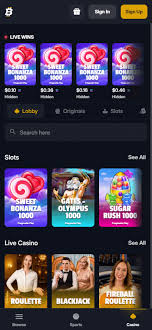
The integration of gambling-like mechanics in mobile gaming has transformed the landscape of mobile entertainment. With the rise of Gambling-Like Mechanics in Mobile Gaming Regulation Bitfortune Android and similar platforms, the boundaries between traditional gaming and gambling have blurred, creating new dynamics in user engagement and monetization.
Understanding Gambling-Like Mechanics
Gambling-like mechanics in mobile games refer to systems that mimic traditional gambling behaviors. These include random rewards, loot boxes, and chance-based gameplay elements that encourage players to invest more time and money. Players often find themselves drawn to the thrill of uncertainty, which can lead to increased engagement and retention rates.
The Psychology Behind Gambling Mechanics
At the heart of gambling-like mechanics is psychological reinforcement. The anticipation and excitement that come from uncertain outcomes are compelling driving forces behind user behavior. Elements such as sound effects, animations, and visual feedback create an engaging user experience that keeps players returning for more. Understanding this psychology is crucial for game developers aiming to create captivating mobile experiences.
Key Gambling-Like Features in Mobile Games
1. Loot Boxes
Loot boxes are a staple of many mobile games today. Players can purchase or earn these boxes, which contain random in-game items. This element of chance can lead to addictive behaviors, as players often chase the thrill of receiving rare or valuable rewards.
2. Daily Rewards and Spin-to-Win
Many mobile games incorporate daily rewards or spin-to-win mechanics, where players receive bonuses for logging in. These features, combined with a wheel of fortune or similar mechanics, encourage habitual play, creating a loop of engagement that keeps players coming back.
3. In-Game Currency
Virtual currencies are another significant component of gambling-like mechanics. Players earn or purchase in-game currency to spend on items or features, which mimics the process of gambling with real money. The psychological effect of “winning” and “spending” virtual currency enhances the thrill of gameplay.
The Impact on Player Engagement
By incorporating gambling-like mechanics, mobile games can significantly boost player engagement. Players feel incentivized to participate regularly, leading to increased playtime and investment in the game’s ecosystem. However, this can lead to concerns over responsible gaming, particularly among younger audiences.
Monetization Strategies using Gambling Mechanics
From a business perspective, gambling-like mechanics serve as powerful monetization strategies. Developers often employ these features to encourage players to spend real money on in-game purchases. This approach has been contentious, particularly in regions where regulations impact how such mechanics can be implemented. Developers must balance profitability with ethical responsibility to avoid creating exploitative systems.
Legislation and Ethical Considerations
As gambling-like mechanics continue to evolve in mobile gaming, so too do the legal and ethical frameworks surrounding them. Regions such as Europe and parts of the United States are beginning to implement regulations that govern loot boxes and other mechanics that resemble gambling.
These regulations aim to protect players, particularly minors, from potential financial harm. Game developers must navigate these complexities carefully, ensuring they create enjoyable, engaging, and responsible gaming environments.
Case Studies of Successful Mobile Games
Several mobile games have successfully implemented gambling-like mechanics, achieving substantial commercial success:
- Fortnite: While not a gambling game per se, Fortnite’s use of loot boxes and skins creates a gambling-like experience for players, driving significant revenue through microtransactions.
- Clash of Clans: This game effectively utilizes in-game currency and daily rewards, converting casual players into dedicated spenders.
- Genshin Impact: Known for its gacha mechanics, this game offers players a chance to receive characters and weapons, encouraging them to engage with its microtransaction model.
The Future of Gambling-Like Mechanics in Mobile Gaming
As mobile gaming continues to evolve, so too will the use of gambling-like mechanics. Trends indicate that developers will increasingly focus on creating engaging, yet responsible experiences that retain the thrill of chance while addressing ethical considerations. Balancing player satisfaction with regulatory requirements will be paramount to ensure the longevity of these mechanics within the industry.
Conclusion
Gambling-like mechanics in mobile gaming have catalyzed unprecedented changes within the industry, enhancing user engagement and driving monetization. However, developers must remain vigilant, balancing innovation with responsible practices to ensure a sustainable future for mobile gaming. As legislation evolves and player expectations shift, the focus on ethical gaming will likely become more significant, shaping the next generation of mobile experiences.